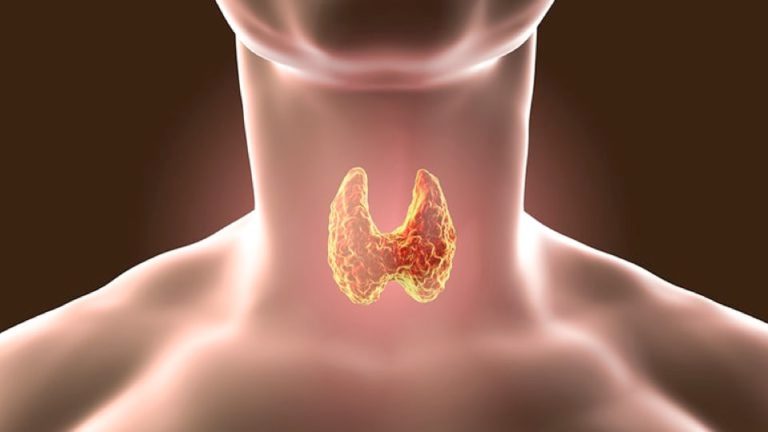









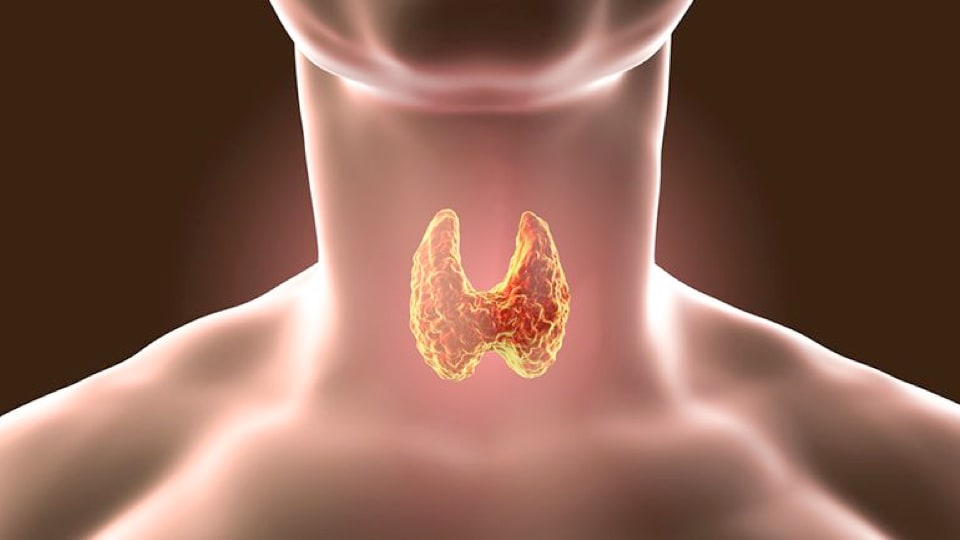
Daily vitality often depends on steady internal hormone communication. Subtle body shifts sometimes signal deeper endocrine coordination changes. Specialists frequently examine the Link between thyroid and hormonal imbalance during evaluations. Understanding that relationship encourages thoughtful, personalized wellness planning. Balanced regulation often improves comfort, focus, and emotional steadiness.
Understanding Thyroid Influence On Body Balance
The thyroid quietly guides multiple biological functions every day. Hormone signals travel through tissues affecting energy and temperature control. Personalized attention helps individuals notice patterns affecting daily wellbeing.
- Hormone signals regulate energy and temperature stability
- Small gland influences metabolism and mood stability
- Internal messaging directs numerous bodywide processes daily
- Balanced activity supports consistent physical responsiveness
Clear understanding supports more attentive personal health observations. Care strategies become easier when body signals gain meaning.
How Do Hormone Signals Affect Daily Function?
Hormone activity influences many ordinary experiences throughout the day. Individuals may notice subtle energy fluctuations or mood variation. Balanced communication among glands supports smoother physical responses. Attention to body signals often reveals meaningful internal adjustments.

Individual Assessment Shapes Thoughtful Care Approaches
Effective care begins with observing individual patterns carefully. Practitioners consider lifestyle, stress exposure, and symptom progression. Evaluation often explores the Link between thyroid and hormonal imbalance while reviewing symptoms. Understanding that interaction encourages practical and patient-centered care planning.
- Review lifestyle patterns affecting hormone stability
- Examine physical signs suggesting endocrine disruption
- Compare symptom timing with metabolic fluctuations
- Observe emotional patterns related to hormone shifts
Thoughtful observation guides practical wellness planning decisions. Personalized evaluation strengthens confidence in ongoing care strategies.
Can Lifestyle Adjustments Influence Hormone Stability?
Daily habits strongly influence internal hormonal communication patterns. Sleep quality, stress exposure, and activity levels contribute. Gradual lifestyle adjustments often support more consistent body responses. Many individuals notice improved steadiness through patient routine changes.
Personalized Monitoring Encourages Early Awareness
Regular monitoring encourages awareness of changing body patterns. Individuals often track sleep quality, mood variations, and energy. That awareness supports timely adjustments within personal care strategies.
- Record sleep consistency and daily energy variations
- Observe mood changes alongside physical sensations
- Track stress exposure during demanding schedules
- Maintain simple notes about recurring body responses
Careful observation encourages confidence during health decisions. Consistent tracking reveals patterns guiding thoughtful adjustments.
Why Do Symptoms Differ Between Individuals?
Hormone regulation varies widely between different individuals. Personal history, lifestyle pressures, and genetics influence outcomes. Symptoms therefore appear differently across separate life situations. Personalized understanding prevents confusion during early changes.
Gradual Care Decisions Build Long Term Stability
Supportive care often develops gradually through consistent attention. Individuals benefit from patient observation rather than sudden reactions. Steady guidance encourages clearer understanding of body signals. Over time, thoughtful care choices nurture lasting internal balance.